
Niti Pass
Hidden deep in the northernmost folds of Uttarakhand lies a place where history whispers through the mountains and the wind carries stories of ancient trade caravans — Niti Pass.
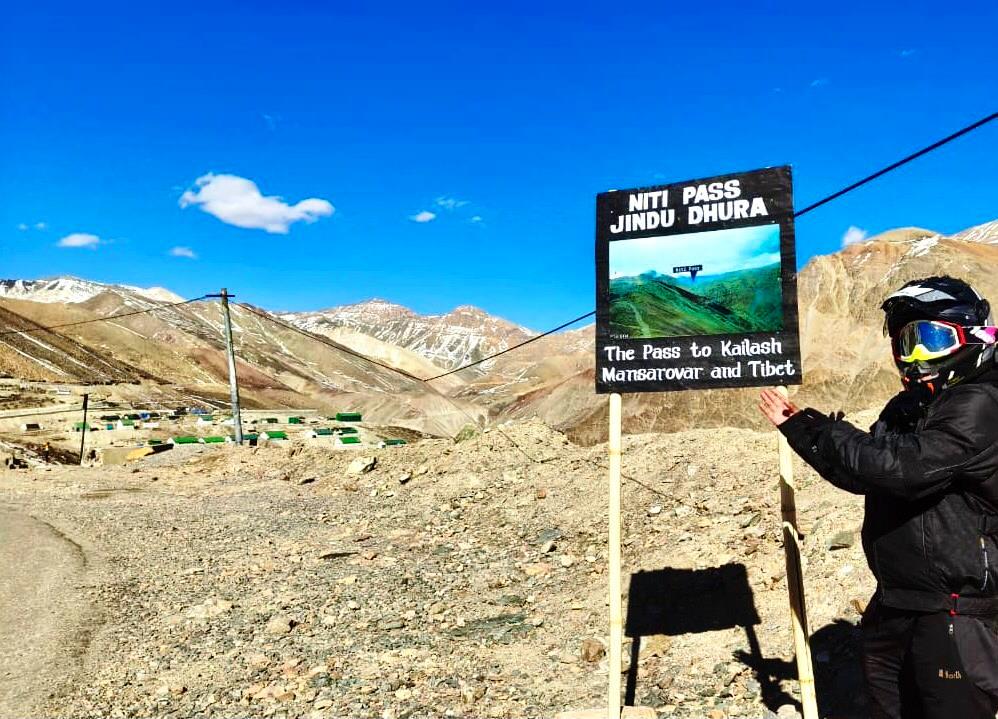
Standing tall at an altitude of 5,086 meters (16,686 feet), this high mountain pass once connected India to southern Tibet. Today, it remains sealed, silent, and mysterious — a reminder of history, resilience, and geopolitical change.
Where Exactly Is Niti Pass?
Niti Pass is located in the Niti Valley, in the Chamoli district of Uttarakhand. This region lies in the northernmost part of the Garhwal Himalayas, right along the India–China border.
Surrounded by dramatic Himalayan peaks, alpine meadows, and remote villages, the valley feels untouched by time. The journey here itself is an adventure — winding mountain roads, glacial rivers, and landscapes that shift from green to rugged as you ascend.
A Gateway That Once Connected Civilizations
Long before borders were militarized, Niti Pass served as an ancient trade route between India and Tibet. Traders carried salt, wool, spices, and everyday goods across these high-altitude trails. The route was not just about commerce — it was about cultural exchange, shared traditions, and human connection.
However, after the Sino-Indian War, the pass was sealed. Since 1962, it has remained closed to the public, transforming from a bustling trade corridor into a restricted military-sensitive zone.
There’s something deeply powerful about standing in a place that once linked two worlds — and now stands as a quiet border between them.
The Beauty of Niti Valley
While the pass itself is closed, the surrounding valley is a treasure for travelers who appreciate raw Himalayan beauty.
The region is home to traditional villages such as:
- Lata
- Dronagiri
- Malari
These villages preserve ancient Himalayan culture, wooden houses, and a slower rhythm of life. Snow-covered peaks tower above, while rivers carve their way through the rocky terrain.
If you love remote landscapes, minimal crowds, and authentic mountain life — this valley will leave a mark on your soul.
Current Status & Travel Rules
Niti Pass itself is closed to the public due to security reasons.
However, Indian citizens can visit parts of Niti Valley with an Inner Line Permit (ILP). Since it’s a restricted border zone, permissions are mandatory. Foreign nationals generally have stricter restrictions.
It’s important to:
- Check local regulations before planning
- Carry valid identification
- Obtain the required permits from district authorities
This isn’t a casual weekend trip — it’s a carefully planned Himalayan expedition.
What Makes Niti Pass Special?
- One of India’s highest mountain passes
- Deep historical trade significance
- Located in a restricted border region
- Surrounded by untouched Himalayan landscapes
- Rich in Garhwali cultural heritage
There’s a different kind of beauty here — not touristy, not commercial — just vast silence, powerful winds, and mountains that seem eternal.
✨ Final Thoughts
Niti Pass is not just a geographical point on the map. It is a symbol of history, connection, and change. Though closed today, its legacy lives on in the villages of Niti Valley and in the stories passed down through generations.
For travelers who seek meaning beyond sightseeing — who are drawn to places with depth and memory — Niti Valley offers a rare Himalayan experience.
Sometimes, the most powerful journeys are not about crossing borders… but about understanding the stories they hold.
nice