
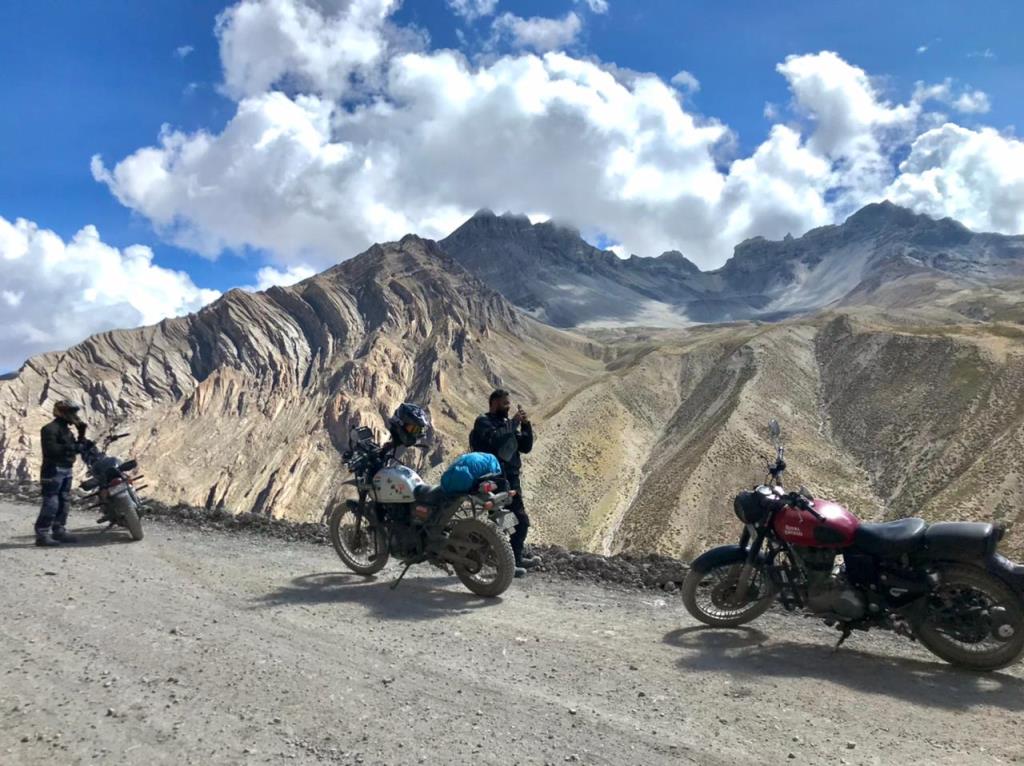
Lapthal
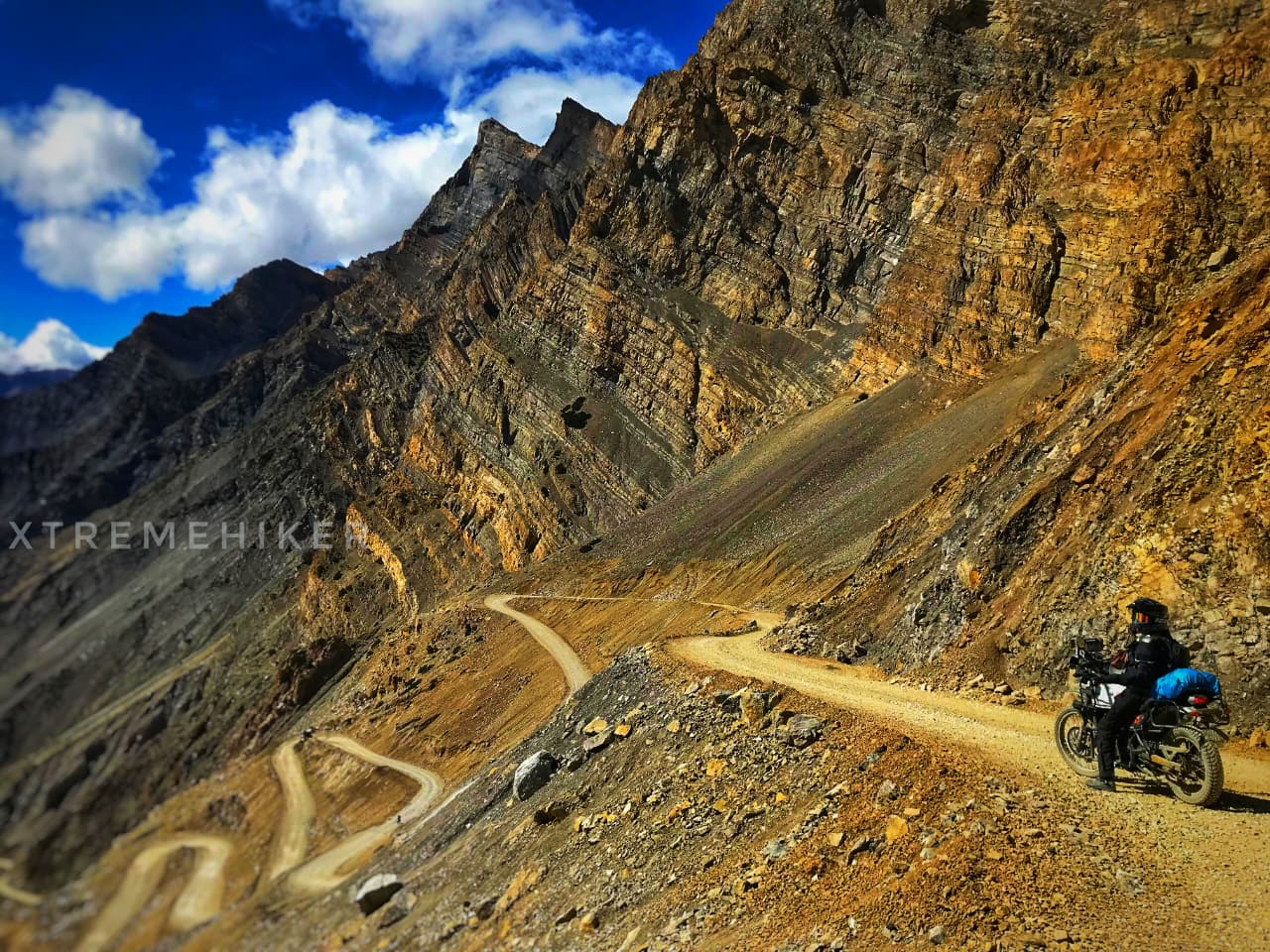
Lapthal is a breathtaking cold desert located at an altitude of 14,200 feet in Uttarakhand, right along the international border with Tibet (China). This remote Himalayan landscape sits between the Niti Valley (Chamoli – Garhwal Division) and the Johar Valley (Pithoragarh – Kumaon Division).
But Lapthal is not just about dramatic mountain views or a thrilling bike ride — it’s a living geological museum.
🌊 A Window Into the Ancient Tethys Sea
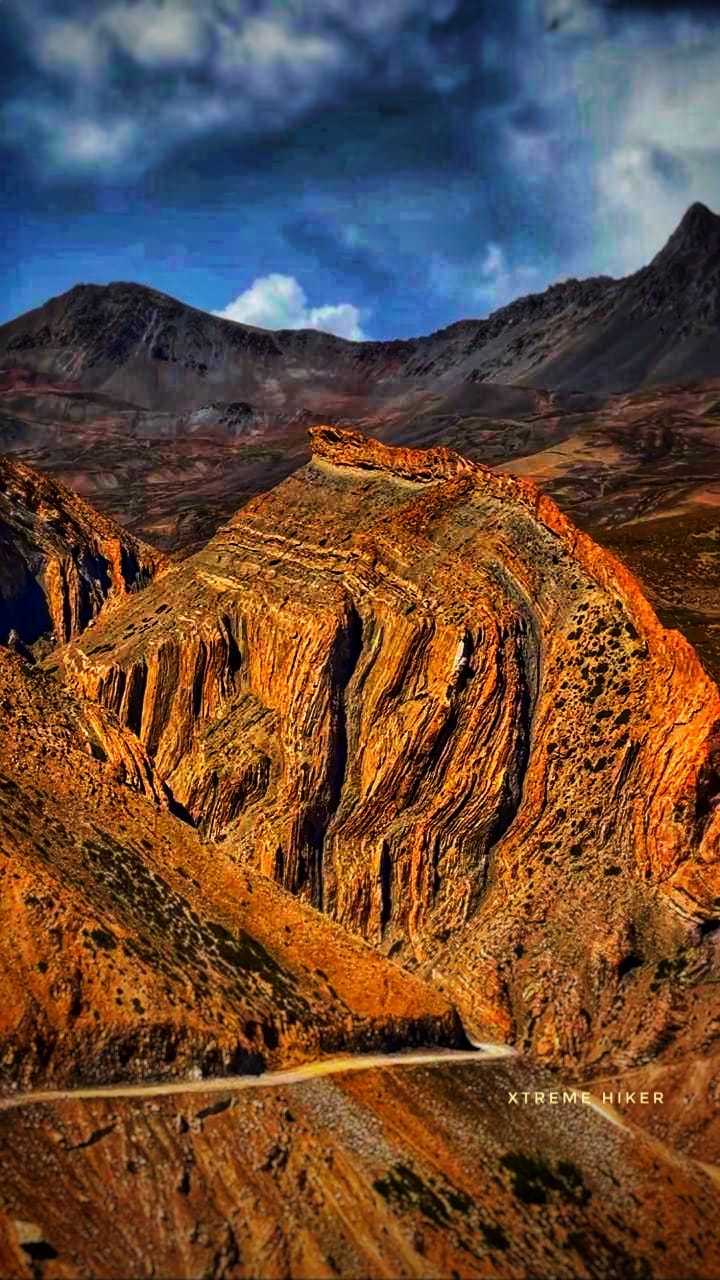
Millions of years ago, before the mighty Himalayas existed, this entire region was submerged under the Tethys Sea. When the Indian tectonic plate collided with the Eurasian plate, the sea bed was pushed upward — giving birth to the Himalayas.
What makes Lapthal extraordinary is that:
- 🐚 Marine fossils from the Tethys Sea are still found here.
- 🪨 The sedimentary rocks preserve evidence of ancient marine life.
- 🌍 It provides direct geological proof of how the Himalayas were formed.
Walking here feels like stepping on what was once the ocean floor.
🏔 More Than a Ride — A Journey Through Time
Lapthal was once an important route for Indo-Tibetan trade, where traders crossed these rugged terrains carrying goods between India and Tibet. Today, it stands silent — a cold desert echoing stories of:
- Ancient seas
- Continental collisions
- Historic trade routes
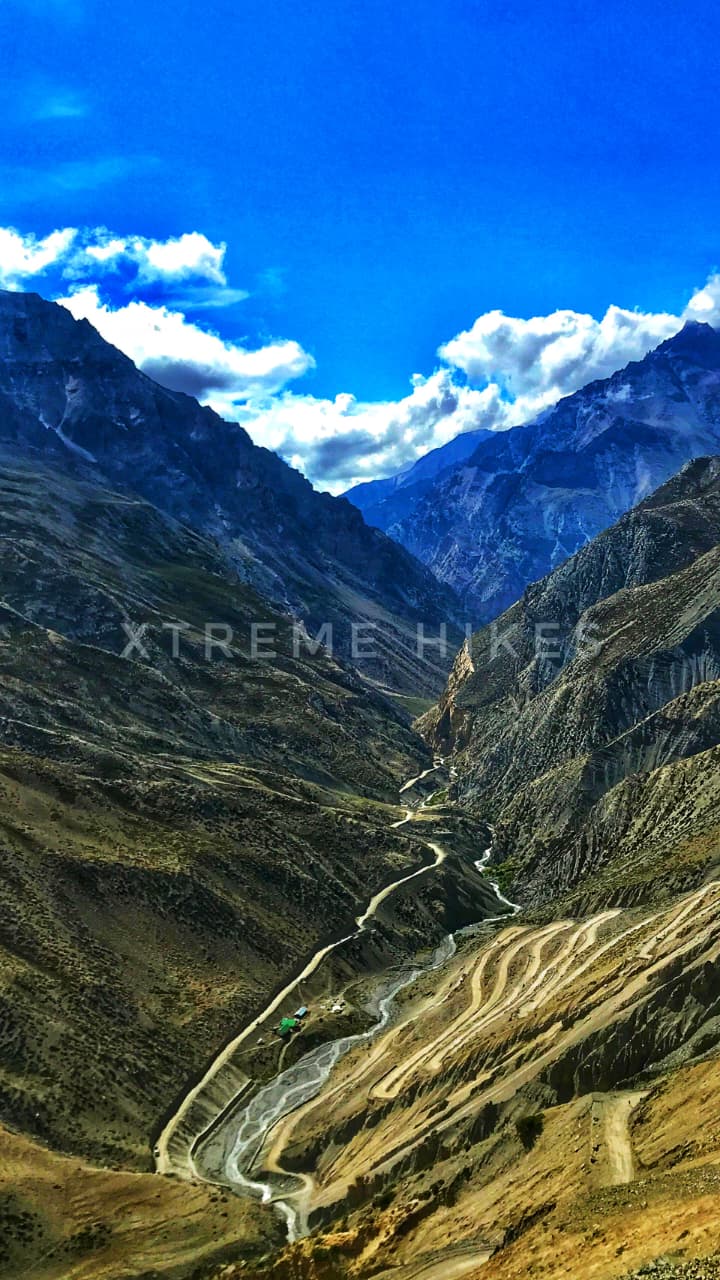
✨ Why Lapthal is Special
| Feature | Significance |
|---|---|
| Altitude | 14,200 ft above sea level |
| Landscape | Cold desert terrain |
| Geological Importance | Marine fossils from Tethys Sea |
| Historical Importance | Indo-Tibet trade route |
| Location | Border of Niti & Johar Valleys |
Lapthal isn’t just a destination.
It’s proof that the Himalayas once slept beneath the sea — and today, they rise as the youngest and tallest mountain range in the world.
If you’re into geology, history, adventure, or untouched Himalayan landscapes — Lapthal is pure magic.